
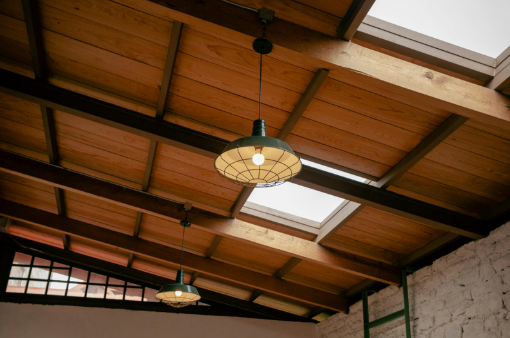
Natural light can completely transform the look and feel of a home. It can make smaller rooms feel more spacious, brighten darker areas and create a welcoming atmosphere throughout the property. However, not every room has access to large windows or sufficient natural daylight. This is where roof lights can make a real difference, offering an attractive and practical way to introduce more light from above.
In this blog post, we explain everything you need to know about roof lights, including what they are, where they can be installed and the benefits they offer. We will also explore the different options available, what to consider before choosing a roof light and how Essex Window & Door Centre can help bring your ideas to life. Contact us today!
What is a roof light?
A roof light is a glazed unit installed within a roof, typically a flat roof, to allow natural daylight to enter a building from above. Unlike conventional windows, which are fitted into external walls, roof lights introduce daylight through the ceiling, making them particularly useful for rooms where traditional windows may be limited.
They are an increasingly popular feature in contemporary homes, particularly in kitchen extensions, open-plan living areas, orangeries and other spaces where homeowners want to maximise natural light.
Modern roof lights combine attractive designs with advanced glazing technology, offering excellent thermal performance, energy efficiency and security when correctly specified.
Why So Many Homeowners Choose to Install a Roof Light
1. Introduce More Natural Light
One of the biggest advantages of installing a roof light is the amount of natural daylight it can bring into your home. Because the glazing is positioned overhead, it can capture daylight from above rather than relying solely on light entering through external walls.
This can make a considerable difference in rooms that previously felt dark or enclosed. Kitchens, hallways, dining rooms and extensions can all benefit from additional daylight, helping create brighter and more welcoming environments.
Natural light can also influence how you experience a space, making interiors feel more open, comfortable and inviting.
2. Make Smaller Rooms Feel More Spacious
If you have a smaller room or an area that feels restricted, a roof light could help transform the atmosphere. Additional daylight can make interiors appear more open and less enclosed, particularly when combined with light-coloured walls and carefully considered interior design.
This is especially beneficial in single-storey extensions, where the surrounding walls may limit the amount of daylight entering through conventional windows.
By introducing glazing overhead, you can create a greater sense of openness without needing to change the overall footprint of the room.
3. Enhance Your Interior Design
Roof lights are not simply practical additions. They can also become an attractive architectural feature that elevates the appearance of your home.
Contemporary roof lights feature clean lines and minimalist detailing, making them particularly suitable for modern interiors. They can complement open-plan layouts, sleek kitchens and carefully designed living spaces.
Whether you prefer a subtle glazed feature or want to make the roof light a central part of your interior design, there are options to suit different properties and personal preferences.
4. Enjoy Greater Privacy
Natural daylight is desirable, but privacy is equally important, particularly if your home is located in a built-up area or surrounded by neighbouring properties.
Traditional windows can sometimes create a compromise between allowing daylight into a room and preventing people from looking inside. Roof lights offer an alternative because their overhead positioning can reduce direct sightlines into your home.
This makes them particularly useful for kitchens, bathrooms and ground-floor extensions where neighbouring windows might otherwise overlook your living space.
You can enjoy additional daylight while maintaining a greater sense of privacy.
5. Improve Natural Ventilation
An automated opening roof light can provide more than just natural daylight. It can also help improve ventilation by allowing fresh air to circulate throughout your home.
Warm air naturally rises, meaning that opening a roof light can help release accumulated heat from upper areas of a room. This can be particularly beneficial during warmer months or when cooking in an open-plan kitchen.
With an automated system, you can operate the roof light electronically rather than having to reach or manually access the opening mechanism.
6. Create a Better Kitchen Extension
Kitchen extensions are among the most popular home improvement projects, but they can sometimes create areas where natural light is limited.
A roof light can help address this by introducing daylight directly into the extended space. Positioned above a kitchen island, dining table or central walkway, it can create a brighter environment while adding an attractive architectural detail.
This can make the kitchen feel more connected to the outdoors and improve the overall experience of using the space.
7. Support Energy Efficiency
Modern roof lights can incorporate advanced glazing designed to provide effective thermal insulation. This helps limit unwanted heat transfer through the roof, supporting a more comfortable indoor environment throughout the year.
The glazing specification is particularly important because roof lights receive direct exposure to changing outdoor temperatures and sunlight.
Products such as the Edge roof light supplied by Essex Window & Door Centre incorporate heat-reflecting properties designed to help manage solar gain while maintaining comfortable indoor temperatures.
When correctly specified and installed, an energy-efficient roof light can contribute to the overall thermal performance of your home.
8. Add an Attractive Feature to Your Property
A well-designed roof light can make a property feel more considered and architecturally interesting. Rather than simply being another window, it introduces a different dimension to your interior design.
The changing daylight throughout the day can also create attractive variations in the appearance of your room, highlighting different materials, colours and furnishings.
For homeowners undertaking a significant renovation, a roof light can be a relatively understated way to create a distinctive finishing touch.
9. Make Better Use of Previously Dark Areas
Some areas of a property naturally receive less daylight than others. Hallways, stairways and internal dining areas can often feel darker because they are positioned away from external windows.
Roof lights provide an opportunity to improve these spaces without relying entirely on artificial lighting.
They can be particularly effective in properties with flat-roofed extensions or areas where installing additional wall windows would be impractical.
10. Enjoy Modern Security Features
Security is another important consideration when choosing new glazing. Modern roof lights can incorporate specialist glass designed to provide additional protection and reassurance.
For example, the Edge roof light features a toughened outer pane and laminated security glass on the inner panel. Laminated glass is designed to remain bonded together if compromised, helping reduce the risk of broken glass falling into the room.
This combination provides an additional safety consideration while maintaining the clean, contemporary appearance of the product.
How to Choose the Right Roof Light for Your Home
1. Consider Where You Want to Install It
The position of your roof light will have a significant influence on the results. Think about which areas of your home would benefit most from additional daylight and how the glazing will work with the existing layout.
Popular locations include kitchens, dining areas, hallways, stairways, orangeries and open-plan living spaces. You should also consider the position of furniture, kitchen units and other features. Placing a roof light above a frequently used area can help maximise its impact.
2. Choose the Right Size
The size of your roof light will influence both its appearance and the amount of daylight entering your home. A larger glazed unit can create a more dramatic architectural feature and introduce substantial natural light. However, the correct dimensions will depend on the available roof space, structural requirements and overall design.
Essex Window & Door Centre offers standard roof light sizes as well as bespoke, made-to-measure options, allowing you to find a solution that suits your project.
3. Think About the Overall Design
Your roof light should complement the architecture and interior design of your property. Contemporary frameless designs can work particularly well in modern extensions, where homeowners want clean lines and minimal visible detailing.
Consider how the roof light will look from inside and outside your home. The aim is to create a feature that feels naturally integrated rather than an afterthought.
4. Decide Whether You Need an Opening Roof Light
If ventilation is important, an automated opening roof light could be a suitable option. These systems allow you to introduce fresh air into your home electronically, which can be particularly useful in kitchens and larger living spaces.
If your priority is simply introducing more daylight, a fixed roof light may be sufficient. Consider how you use the room before deciding which functionality is most appropriate.
5. Check the Glazing Specification
Not all roof lights offer the same glazing performance. Consider thermal insulation, solar control and safety when comparing different products.
The Edge roof light supplied by Essex Window & Door Centre features glazing designed to reflect over 60% of the sun’s solar energy, helping manage unwanted heat.
It also incorporates toughened outer glass and laminated inner glass, providing additional safety and security features.
Discuss the available specifications with your supplier to understand which product is best suited to your property.
6. Consider Thermal Performance
Because roof lights are installed overhead, their thermal performance deserves particular attention.
Look for glazing designed to help reduce unwanted heat transfer and maintain comfortable indoor temperatures. Solar control can also be important in rooms that receive significant direct sunlight.
The right specification will depend on the orientation of your property, the size of the glazed area and how the room is used.
7. Think About Your Budget
The cost of a roof light will depend on several factors, including its dimensions, glazing specification, design and whether you choose a standard or bespoke product.
Installation requirements can also influence the overall project cost, particularly if structural alterations or additional roof work are needed.
Rather than choosing solely on price, consider the long-term performance, appearance and suitability of the product. Requesting a tailored quotation will help you understand the options available.
8. Work with an Experienced Supplier
Choosing a suitable product is only part of the process. Accurate measurements, appropriate specification and professional installation are all important for achieving the right finish.
An experienced supplier can help you understand the available options, discuss your requirements and coordinate the different stages of your project.
At Essex Window & Door Centre, we undertake a full site survey before manufacture to help ensure your roof lights are made to the correct specifications.
Taking the time to consider these factors will help you choose a roof light that complements your property and delivers the performance you expect. With the right design and specification, you can enjoy a brighter, more comfortable and visually appealing living space.
How can we help?
At Essex Window & Door Centre, we specialise in providing stylish, quality and affordable roof lights for homeowners throughout Essex and the surrounding areas.
One of our featured products is the Titan Edge roof light, a contemporary solution designed to combine attractive aesthetics with practical performance.
Discover the Edge Roof Light
The Edge roof light features a polished, edge-to-edge glass exterior that creates a sleek, minimalist finish. Its low-profile design stands just 63mm above the roof upstand, allowing it to integrate neatly into the surrounding architecture.
The glass surface is designed to allow rainwater to run off easily, while its thermal performance helps reflect unwanted solar heat and maintain a more comfortable indoor temperature.
Additional features include:
These features make the Edge an attractive option for homeowners looking to combine modern design with everyday practicality.
FAQs
What is the difference between a roof light and a skylight?
The terms are generally used interchangeably and commonly describe the same type of glazed roof installation. Both are designed to introduce natural light through the roof of a building.
Where is the best place to install a roof light?
Popular locations include kitchens, dining rooms, hallways, stairways, orangeries and open-plan living areas. The ideal position will depend on your property’s layout, roof structure and daylight
requirements.
Are roof lights energy efficient?
Modern roof lights can incorporate energy-efficient glazing designed to provide effective thermal insulation. The overall performance will depend on the glazing specification, installation and surrounding roof construction.
How much does a roof light cost?
The price depends on the size, design, glazing specification and whether you choose a standard or bespoke unit. Contact Essex Window & Door Centre for a quotation based on your requirements.Ready to bring more natural light into your home? Contact Essex Window & Door Centre today to discuss your requirements and request a free, bespoke quotation.
